

Ocean Ocean Clash gives players a sea themed game built around fast decisions and clear screen feedback. At BCJILI, members can read the round flow, compare PHP or USD stakes, and choose a pace that fits their session. This guide is written for new and returning players, helping everyone understand rules, rooms, and practical play goals.
Ocean Ocean Clash summary for Filipino players
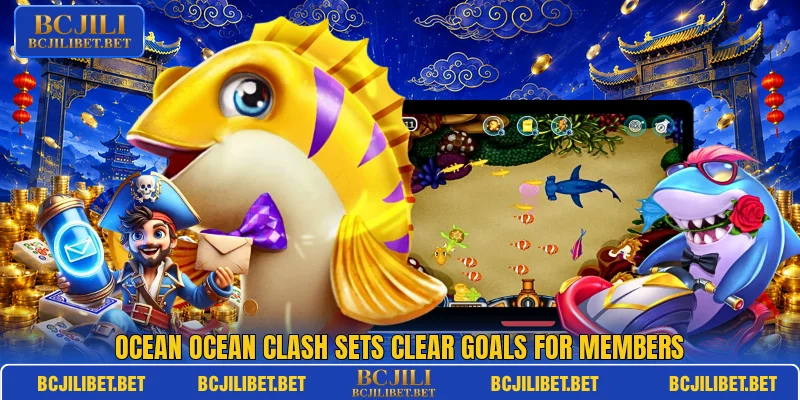
Ocean Ocean Clash uses an ocean battle setting where targets, rounds, and rewards stay easy to read. The main screen usually shows moving icons, stake options, and result prompts. Players should learn each display area before choosing higher PHP or USD values.
A normal session feels direct because actions happen through simple taps and short results. BCJILI presents the game for members who prefer quick rounds over long table waiting. Clear buttons help players follow what happens without studying complex side menus.
Ocean Ocean Clash should be viewed as a chance based game with skill in selection and timing. Members can compare room pace, target size, and round cost before entering play. The goal is simple understanding, not heavy theory or repeated guesswork.
Basic rules and cycle flow for players
Round flow becomes easier once players separate aim, timing, and table signals. Each part below keeps the method practical without turning play into a fixed promise.
Game screen and target values
The screen shows ocean targets with different movement speeds and visible value levels. Smaller targets may move faster, while larger ones often stay easier to track. Players should compare value labels before choosing where to focus each round.
A stake button sets the cost before any shot or action begins. Values may appear in PHP for local members or USD in supported wallet views. The chosen value affects possible returns shown through the game interface.
Result prompts confirm whether a target action has produced a return. Players should read these prompts instead of relying only on animation sounds. Clear reading reduces confusion when several effects appear at the same moment.
Round start and action timing
A round begins when the player selects a stake and enters the active screen. Ocean Ocean Clash then presents moving targets that require quick but clear decisions. Members should wait for a clean view before sending repeated actions.
Timing matters because movement patterns can make some targets easier for a short period. Players may watch a few seconds to understand speed before acting. This habit makes each choice feel less rushed during busy rounds.
Action timing should match the stake size shown on the panel. Higher values can change the feeling of each miss or return. Members often start with smaller PHP amounts while learning screen behavior.
Payout Payout presentation and result reading
The payout display shows returns after the game confirms a successful action. Ocean Ocean Clash uses visual feedback so players can see which target produced value. Reading this area helps members separate real results from background effects.
Some rounds may include bonus style icons or stronger looking targets. These elements should be treated as game signals, not certain outcomes. Players can note how each symbol behaves before changing stake size.
A clear result record helps members review what happened during short sessions. The history area may show recent actions, costs, and return amounts. This view supports better reading of the game rhythm.
View more: Aqua Abyss Raid – Challenge Deep Sea Creatures Today
Common errors amid early play
Many new players tap too quickly before understanding target values. This can make the round feel random even when the display gives useful details. Slower first actions help members read movement and cost more clearly.
Another error is changing stake size after only one result. Ocean Ocean Clash can move quickly, so one round never explains the full pattern. Players should compare several rounds before making different choices.
Some members ignore room speed and enter crowded screens without checking pace. A busier view may suit experienced players, while calmer rooms help newer ones. Matching room pace to attention level makes gameplay easier to follow.

Practical play decisions and room selection
Room choice can change how the session feels, especially for Filipino members using PHP. Players should compare pacing, target movement, and stake levels before starting longer play.
Ocean Ocean Clash room rhythm
A suitable room should match the player’s attention and available session length. Fast rooms can feel exciting, but they also require quick reading. Slower rooms give members more time to compare targets and buttons.
Ocean Ocean Clash rooms may differ by stake ranges and target density. Members should check the entry requirement before joining any active table. This avoids choosing a room where each action feels too expensive.
Room selection also depends on device comfort and screen size. A larger display can make moving targets easier to identify. Players using mobile data should also prefer stable connection before entering active play.
Reading patterns minus overthinking
Patterns can help players notice target movement, but they should not become fixed predictions. The game still depends on chance and changing round behavior. Members can use observation as a reading tool, not a guarantee.
A simple approach is to watch speed, spacing, and target value together. This keeps the decision process clear during busy moments. Players should avoid chasing one symbol only because it looked useful earlier.
Short notes can help during learning sessions without making play feel technical. Members may remember which rooms felt clearer and which stakes felt comfortable. This habit supports better choices in later visits.
Using tools for smoother sessions
Game features should help players read the screen faster and act with more confidence. Sound, history, and stake controls can all support clearer decisions. Members should adjust settings before the screen becomes busy.
Ocean Ocean Clash works best when players understand each button before active rounds. The stake control, action button, and history panel deserve attention. Knowing these areas reduces mistakes caused by rushed taps.
Mobile players should keep the app updated for smoother loading and cleaner response. A stable connection also helps the screen show results without delay. These small checks make each session easier for members.

View more Category: Fish
Conclusion
Ocean Ocean Clash gives members a clear ocean battle format with simple rules, visible targets, and practical room choices. Players can use BCJILI to compare stakes, read results, and follow the game with a steady approach. Register, download the app, choose a suitable room, and may your next session bring good luck.